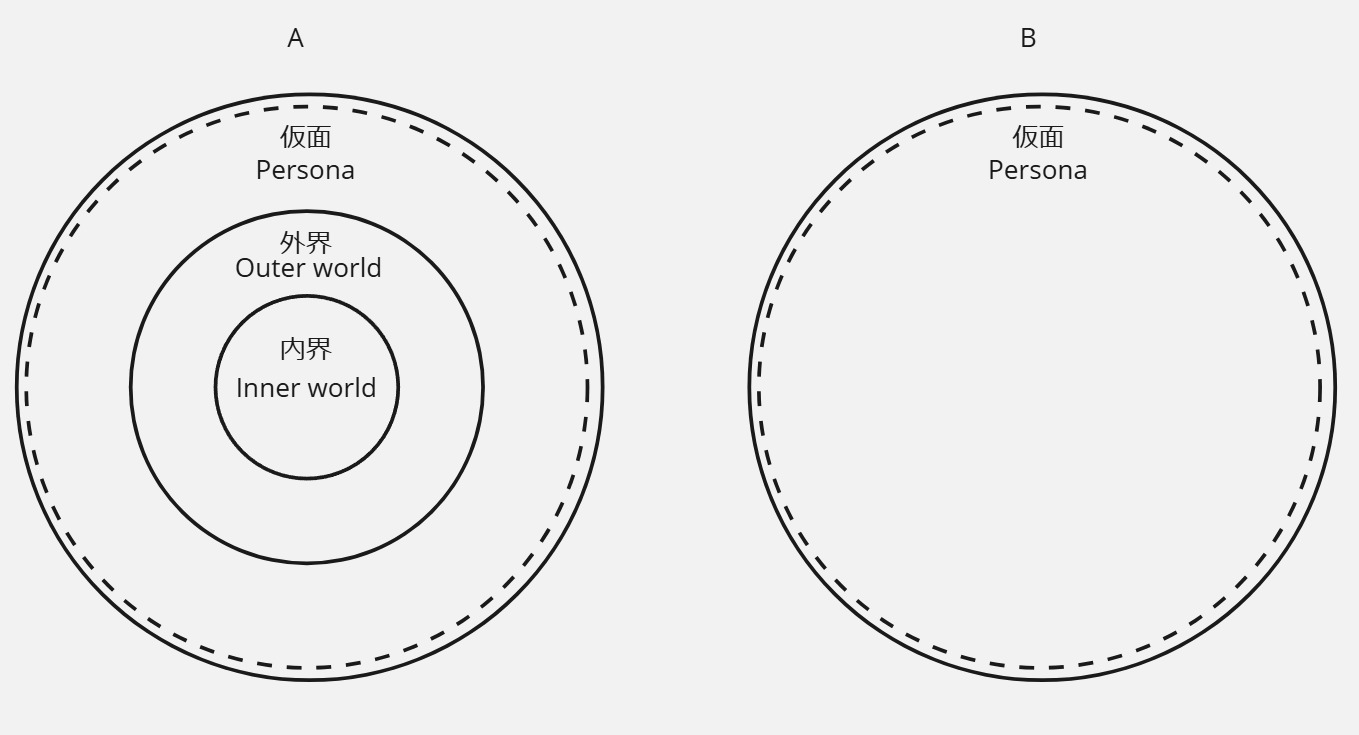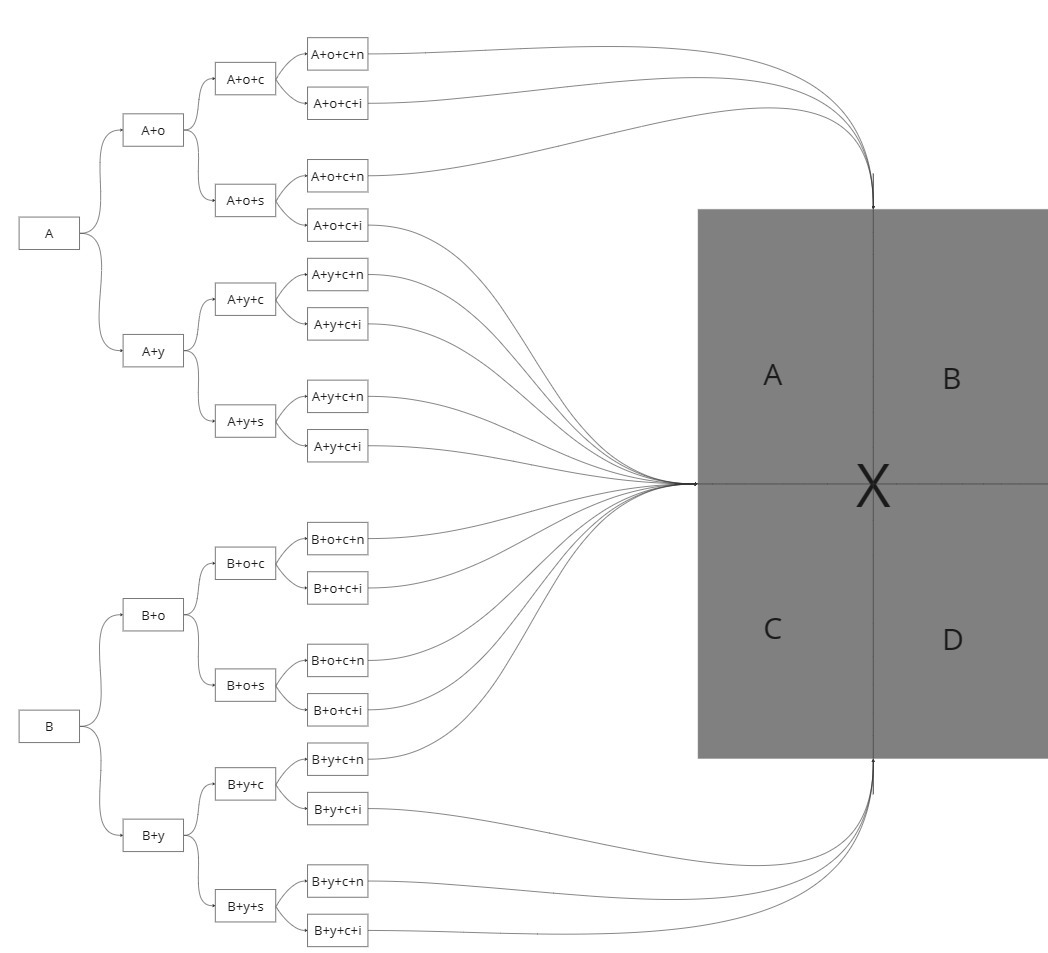
The rise of personality typology mirrors past trends, like Four Pillars Astrology, which influenced societal behaviors. Both reflect a shift in modern culture towards focusing on the mind amidst a materialistic age.
This article reflects on the nature of numbers, positioning them not merely as tools for calculation but as foundational units through which humans perceive and structure the world. The author treats numbers as a complex subject of inquiry, exploring how numerical sequences and their cultural interpretations—such as traditional Japanese counting—act as vital "coordinates" that shape our cognitive framework. It serves as a personal meditation on how numerical concepts underpin our understanding of existence.
This article explores the deep connection between religious thought, philosophy, and religion, examining how they function as foundational "coordinates" for human perception. Rather than viewing them simply as abstract doctrines or rigid belief systems, the author suggests that both philosophy and religion provide essential frameworks through which individuals interpret reality, morality, and existence. By understanding how these profound, internalized structures shape our daily perspectives and actions, we can better appreciate the diverse ways people navigate life's complexities and cultivate a deeper, more empathetic understanding of the human experience.
This article explores the profound idea that everyday life is the primary arena where thought and philosophy manifest most concretely. Rather than viewing philosophy as an abstract pursuit, the author suggests that our daily routines, choices, and mundane interactions are the truest expressions of our underlying beliefs. By paying close attention to the ordinary moments of our lives, we can uncover deep philosophical truths. Ultimately, true wisdom and our unique perspectives are not found in distant theories, but are actively lived, practiced, and realized within the continuous flow of our daily existence.
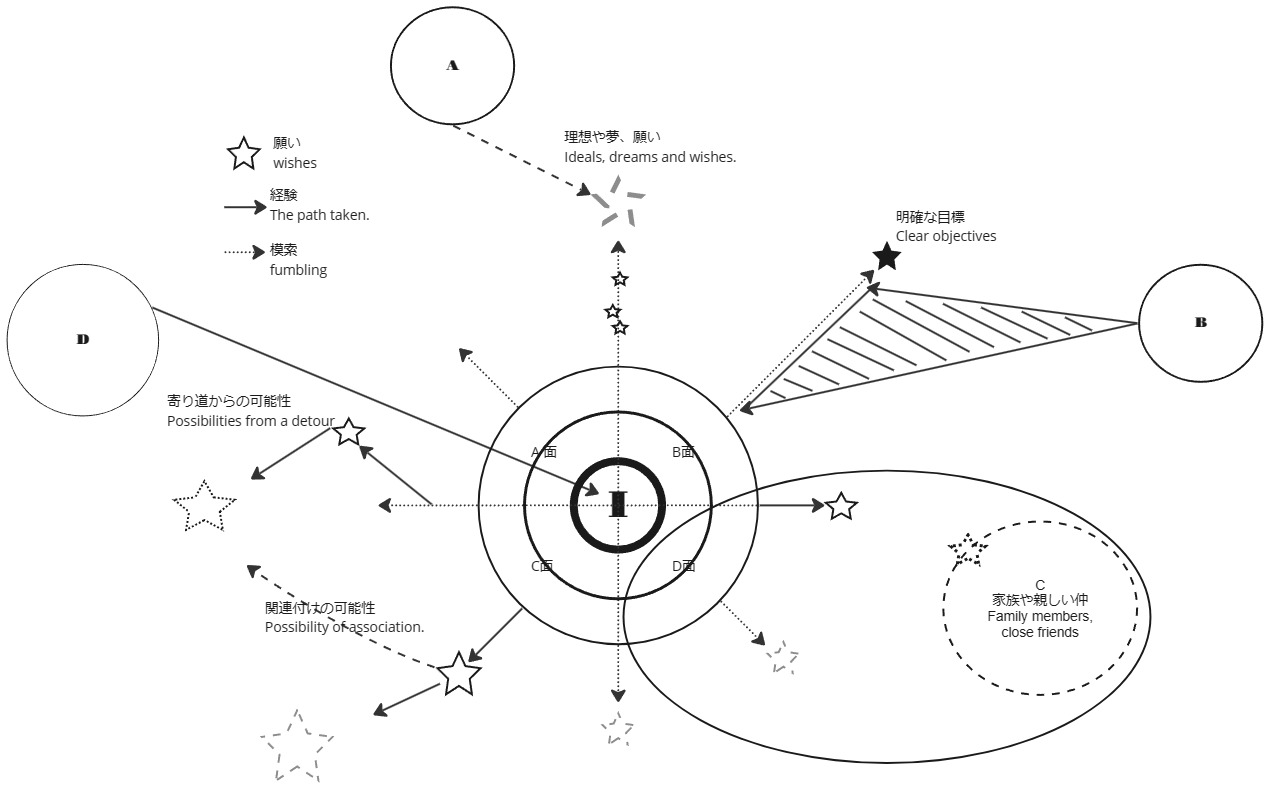
This article examines the nature of "wishes" within the framework of diversity. It argues that our individual desires are not isolated, but are interconnected with the "coordinates" of our unique perspectives and social contexts. By acknowledging that others hold different coordinates, we can transform personal wishes into a shared dialogue. Instead of imposing our own values, the author suggests that truly understanding the diversity of human aspirations allows us to cultivate a more empathetic and constructive approach to coexisting in a complex world.
A reflection on the balance between participation and observation. By moving between personal experience and a wider perspective, individuals gain a deeper understanding of themselves, others, and the world they inhabit.
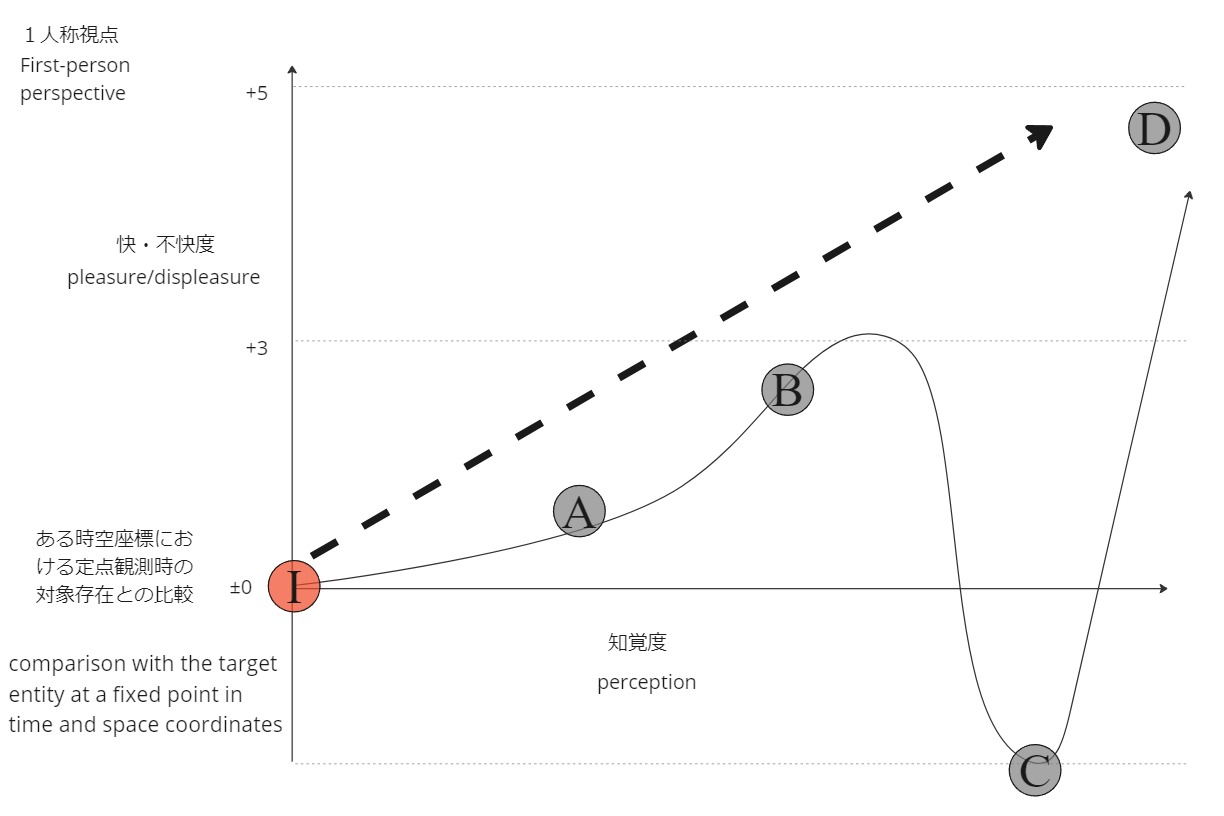
The article explores why mutual understanding is difficult, arguing that individuals perceive the world through unique "coordinates" shaped by their distinct experiences and backgrounds. It suggests that since complete agreement is impossible, we must map our differences and find common ground. By adopting an objective, panoramic view of both ourselves and others—like the strategy in Sun Tzu’s Art of War—we can bridge these cognitive gaps and navigate interpersonal relationships more effectively.