Beyond religion, ideology, and social systems lies a universal human tendency toward harmony. This essay examines the relationship between nature, civilization, symbols, AI, and the timeless principles that guide human existence.
Drawing upon spiritual philosophy and quantum theory, this article deconstructs the rigid boundaries between life and death, dream and reality. The author warns that materialistic grief can bind departed souls in negative karma, advocating instead for a perspective where all existences hold inherent divine value. Furthermore, as societal tools—from vehicles to AI—become increasingly complex, navigating them requires true spiritual maturity rather than mere age limits. By continuously deconstructing our experiences and embracing the unknown with childlike curiosity, we realign our internal "coordinates," realizing that every individual actively participates in shaping this interconnected, multidimensional world.
The rise of personality typology mirrors past trends, like Four Pillars Astrology, which influenced societal behaviors. Both reflect a shift in modern culture towards focusing on the mind amidst a materialistic age.
This article explores the deep connection between religious thought, philosophy, and religion, examining how they function as foundational "coordinates" for human perception. Rather than viewing them simply as abstract doctrines or rigid belief systems, the author suggests that both philosophy and religion provide essential frameworks through which individuals interpret reality, morality, and existence. By understanding how these profound, internalized structures shape our daily perspectives and actions, we can better appreciate the diverse ways people navigate life's complexities and cultivate a deeper, more empathetic understanding of the human experience.
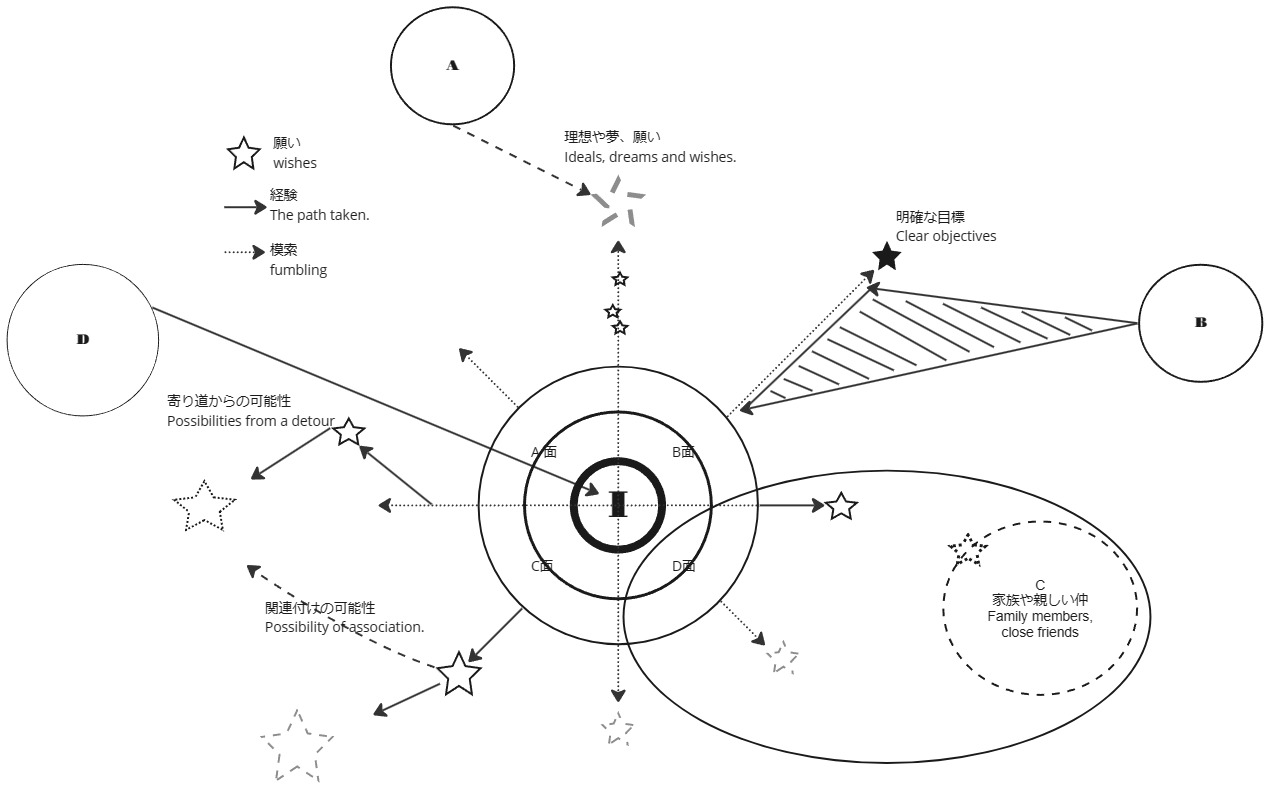
This article examines the nature of "wishes" within the framework of diversity. It argues that our individual desires are not isolated, but are interconnected with the "coordinates" of our unique perspectives and social contexts. By acknowledging that others hold different coordinates, we can transform personal wishes into a shared dialogue. Instead of imposing our own values, the author suggests that truly understanding the diversity of human aspirations allows us to cultivate a more empathetic and constructive approach to coexisting in a complex world.
A reflection on the balance between participation and observation. By moving between personal experience and a wider perspective, individuals gain a deeper understanding of themselves, others, and the world they inhabit.
A reflection on the spirit of harmony and the structures that sustain it. Beyond goodwill alone, this essay considers how law, responsibility, and shared values enable lasting social order.
The article explores why mutual understanding is difficult, arguing that individuals perceive the world through unique "coordinates" shaped by their distinct experiences and backgrounds. It suggests that since complete agreement is impossible, we must map our differences and find common ground. By adopting an objective, panoramic view of both ourselves and others—like the strategy in Sun Tzu’s Art of War—we can bridge these cognitive gaps and navigate interpersonal relationships more effectively.