This essay reexamines schizophrenia and dementia from interdisciplinary perspectives, questioning conventional medical interpretations while exploring cognition, consciousness, human perception, and the nature of mental disorders.
An exploratory theory integrating dreams, intuition, subjective reality, spiritual experiences, and future information through phenomenology, consciousness studies, and symbolic models of meaning and existence.
The rise of personality typology mirrors past trends, like Four Pillars Astrology, which influenced societal behaviors. Both reflect a shift in modern culture towards focusing on the mind amidst a materialistic age.
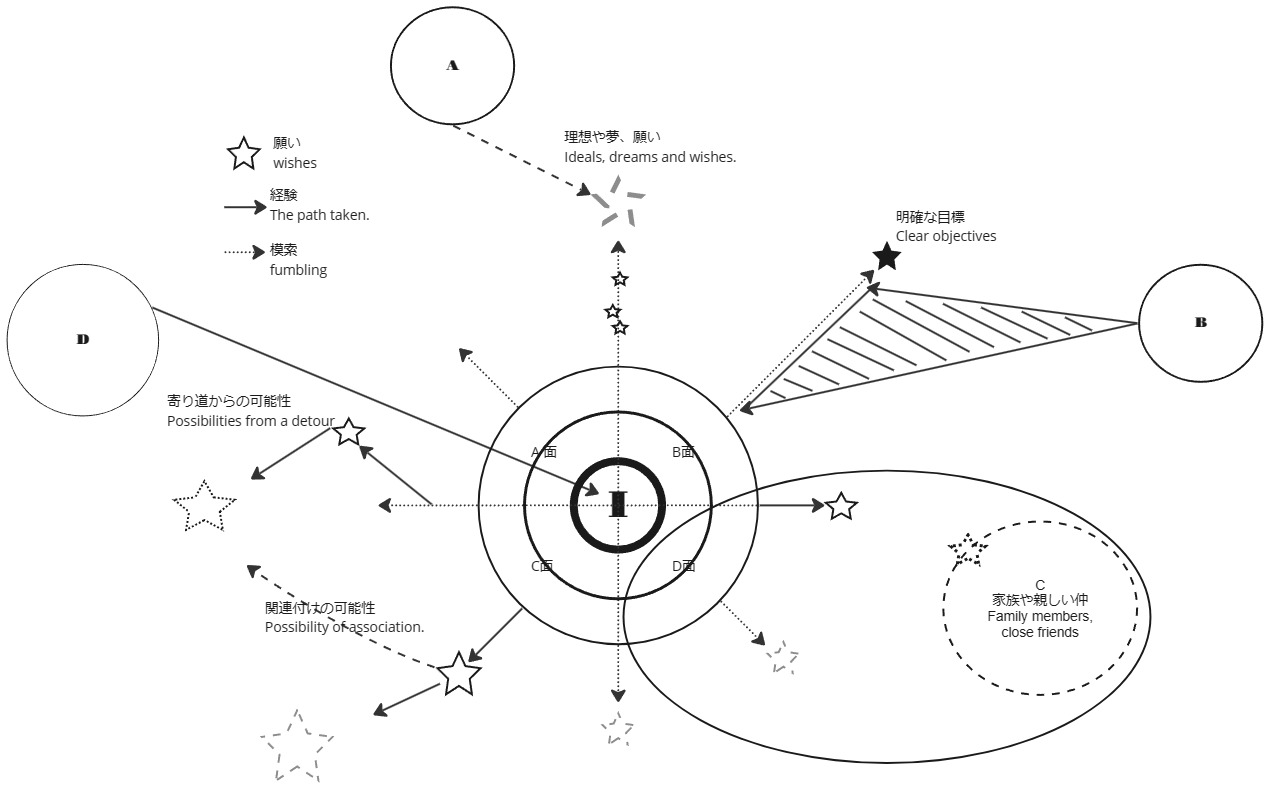
This article examines the nature of "wishes" within the framework of diversity. It argues that our individual desires are not isolated, but are interconnected with the "coordinates" of our unique perspectives and social contexts. By acknowledging that others hold different coordinates, we can transform personal wishes into a shared dialogue. Instead of imposing our own values, the author suggests that truly understanding the diversity of human aspirations allows us to cultivate a more empathetic and constructive approach to coexisting in a complex world.
A reflection on the balance between participation and observation. By moving between personal experience and a wider perspective, individuals gain a deeper understanding of themselves, others, and the world they inhabit.
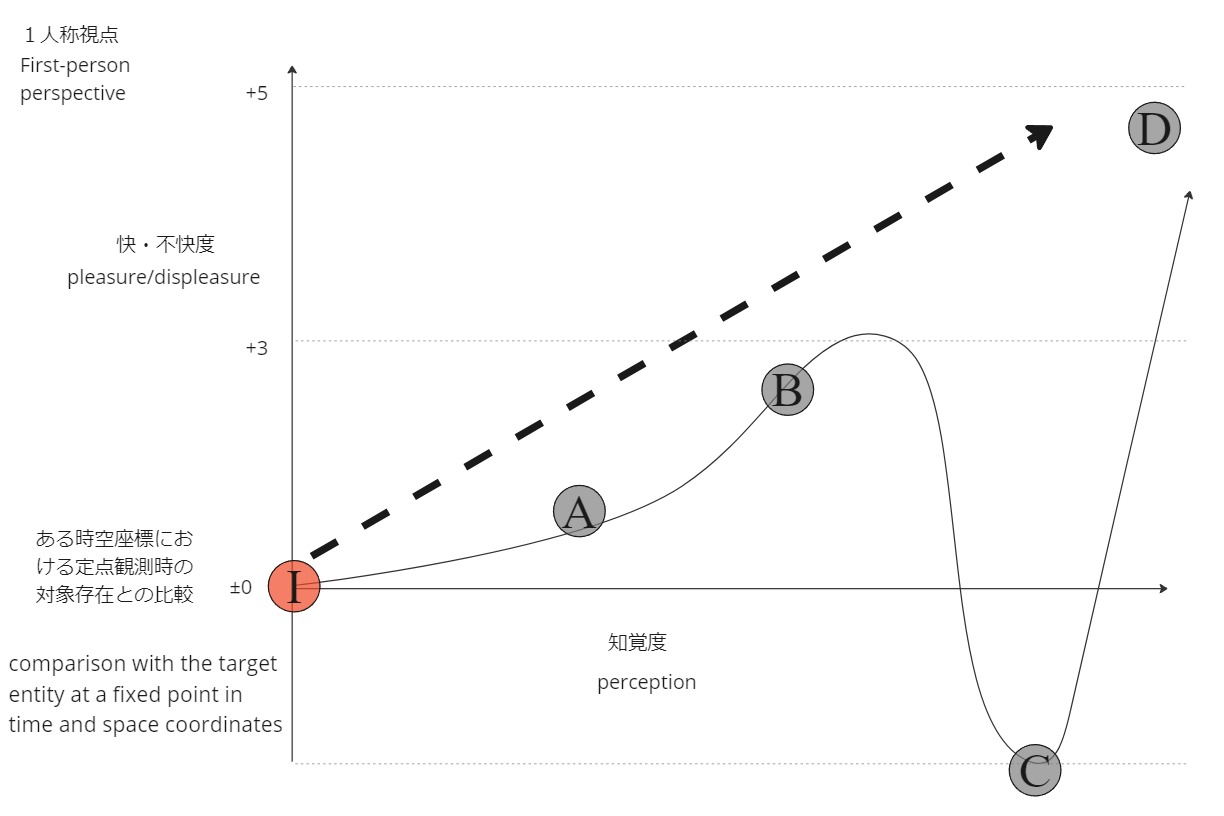
The article explores why mutual understanding is difficult, arguing that individuals perceive the world through unique "coordinates" shaped by their distinct experiences and backgrounds. It suggests that since complete agreement is impossible, we must map our differences and find common ground. By adopting an objective, panoramic view of both ourselves and others—like the strategy in Sun Tzu’s Art of War—we can bridge these cognitive gaps and navigate interpersonal relationships more effectively.