創作館|Shinji Fukuyama Official Website

創作館は福山慎二による思想研究サイトです。哲学・心理学・宗教学・創作論を横断し、想像性・霊性・直観性・座標論・人生構造分析などの独自理論を公開しています。

「Consciousness」の記事一覧

【AI対話篇】道3-3

What is the proper relationship between the individual and the larger structures of society? Through the lens of the Way, this essay investigates growth, consciousness, intuition, and the evolving role of humanity within civilization.

【AI対話篇】道3-2

Can humanity, AI, and nature be understood as parts of a single living system? This essay explores consciousness, symbolism, invisible influences, and the dynamic balance between civilization and the natural order.

【AI対話篇】道3-1

Human beings, artificial intelligence, and nature are not isolated entities but interconnected aspects of a greater whole. Through philosophy, spirituality, and symbolic interpretation, this essay proposes a dynamic model of harmony that bridges consciousness, civilization, and the natural world.

座標考

An inquiry into the nature of perspective and human awareness. Through the metaphor of coordinates, this essay examines how identity, experience, and position shape our understanding of self, others, and the world.

多様性の座標 -願い-

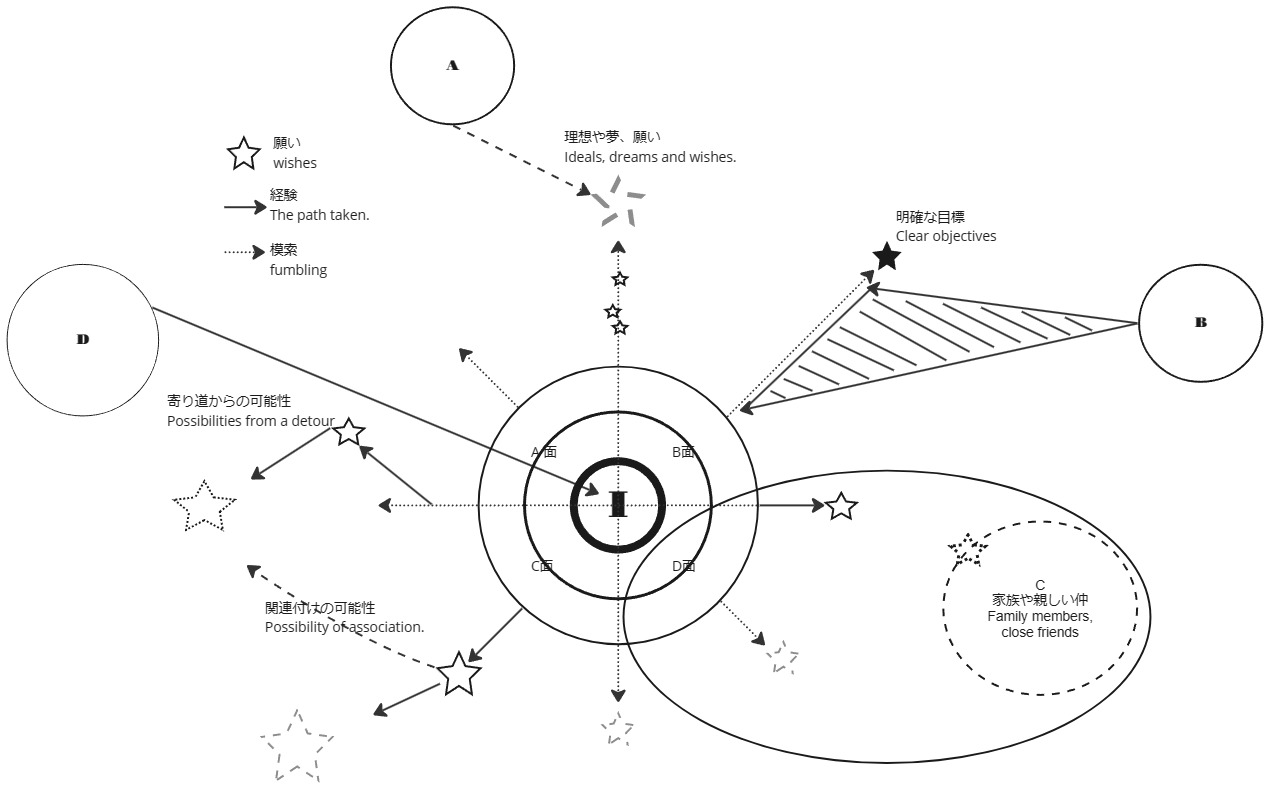
This article examines the nature of "wishes" within the framework of diversity. It argues that our individual desires are not isolated, but are interconnected with the "coordinates" of our unique perspectives and social contexts. By acknowledging that others hold different coordinates, we can transform personal wishes into a shared dialogue. Instead of imposing our own values, the author suggests that truly understanding the diversity of human aspirations allows us to cultivate a more empathetic and constructive approach to coexisting in a complex world.

多様性の座標 -自他における認識の相違-

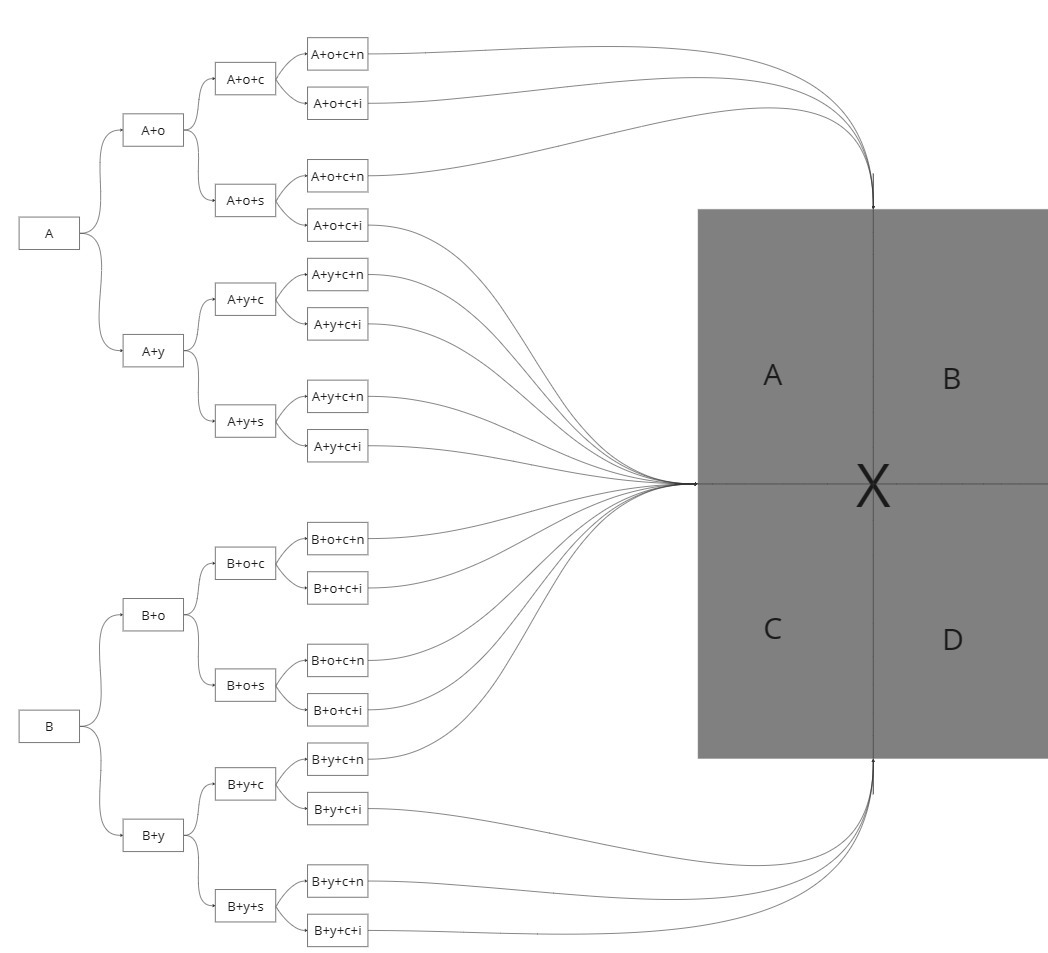
The article explores why mutual understanding is difficult, arguing that individuals perceive the world through unique "coordinates" shaped by their distinct experiences and backgrounds. It suggests that since complete agreement is impossible, we must map our differences and find common ground. By adopting an objective, panoramic view of both ourselves and others—like the strategy in Sun Tzu’s Art of War—we can bridge these cognitive gaps and navigate interpersonal relationships more effectively.

ツールバーへスキップ